Pests are experts at staying hidden
Pests survive by avoiding detection. Cockroaches hide in wall cavities, drains, and behind appliances. Rodents move mostly at night and travel along beams and pipes. Termites can feed on timber for months or even years without visible surface damage.
DIY treatments usually target exposed areas. Professionals, on the other hand, know where pests live, travel, and breed. They inspect structural voids, moisture-prone zones, entry points, and nesting sites that most people don’t even realise exist. That difference alone often determines whether a pest problem disappears or keeps resurfacing.
Delaying treatment makes infestations harder to remove
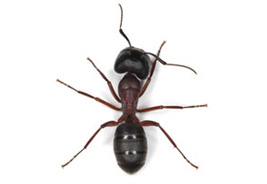
One of the biggest mistakes people make is waiting until pests become unbearable. Ant infestations expand quickly. Cockroaches reproduce rapidly in warm, hidden environments. Rodent populations grow fast when food and shelter are available.
Early professional intervention is far more effective than late-stage treatment. When infestations are still developing, targeted treatments can eliminate the problem with minimal disruption. Once pests spread throughout a structure, control becomes more complex, time-consuming, and costly.
DIY pest control can mask warning signs
Store-bought sprays often reduce visible pest activity temporarily. This can create a false sense of security. The pests haven’t disappeared; they’ve simply retreated or adapted. In some cases, spraying drives pests deeper into walls or roof spaces, where they continue breeding unnoticed.
Professional pest control doesn’t aim to hide the problem. It identifies and treats the source. That means fewer surprises later and a much lower chance of pests returning unexpectedly.
Property damage often goes unnoticed
Many pests cause damage long before anyone realises it. Termites weaken timber structures from the inside. Rodents chew electrical wiring, increasing fire risk. Ants compromise paving and foundations. Cockroaches contaminate food storage areas and equipment.
By the time damage becomes visible, repairs can be expensive. Professional pest control helps prevent these issues by stopping infestations before they cause structural or safety problems.
Health risks are easy to underestimate
Pests aren’t just unpleasant; they pose real health risks. Cockroaches trigger allergies and asthma. Rodents spread bacteria and contaminate surfaces. Flies carry pathogens from waste areas into kitchens and food spaces.
DIY pest control often overlooks these risks or applies treatments incorrectly. Professionals use methods that reduce pest populations while keeping occupants, pets, and food areas safe. This is especially important in family homes, offices, restaurants, and shared buildings.