Ferrosilicon: Grades, Uses and Industrial Value

Pest Problems
When Pest Problems Don’t Look Serious (But Actually Are)
January 12, 2026
Planning a Steel Warehouse
March 4, 2026

Purpose-built ferrosilicon: getting the spec right first time

Industry professionals know that when ferrosilicon doesn’t meet spec, operations suffer. Whether you’re fine-tuning cut density in a DMS plant or running continuous deoxidation in steelmaking, your material inputs need to behave predictably.

Ferrosilicon may be a commodity on paper, but in practice, it’s a precision material. The difference between a stable media circuit and a problem-riddled one often lies in grain size distribution, shape consistency, and how clean the alloy is.

Precision in Dense Media Separation for Diamonds

In the diamond industry, ferrosilicon is not just part of the Dense Media Separation circuit — it’s the backbone of the separation process. With recovery margins often linked to fractions of specific gravity, any deviation in ferrosilicon quality directly impacts performance.

Diamond-bearing ore is typically crushed and pre-screened before entering a dense media separation unit. The goal: float out the gangue and retain the denser kimberlitic or lamproitic material that potentially carries diamonds.

How ferrosilicon enables DMS performance

To create a stable and controllable separating medium, ferrosilicon powder is mixed with water to a specific gravity between 2.6 and 3.4, depending on the ore body and target cut density. Atomised ferrosilicon — due to its round shape and predictable density — is preferred here. It offers:

  • High sink-float resolution — helping operators isolate mineral concentrate zones
  • Low degradation and fines generation — ensuring repeat cycles without sludging
  • Efficient magnetic recovery — essential for recapturing ferrosilicon post-separation
  • Stable rheology — enabling consistent medium viscosity and flow under varying loads

In a diamond plant, even a small shift in medium density can allow waste to contaminate concentrate streams, or worse — result in loss of recoverable stones.

Operational risks of sub-par ferrosilicon

If your ferrosilicon shows poor solubility characteristics or breaks down into fines under mechanical stress, you’re likely to see:

  • Media bleed — ferrosilicon lost with tailings or concentrate
  • Inconsistent cut points — lowering confidence in recovery
  • Increased media make-up costs — due to frequent dosing
  • Excessive magnet load — decreasing magnet recovery efficiency

These issues compound over multiple shifts, cutting into plant performance KPIs like recovery rate, operating cost per tonne, and availability.

Matching grade to performance

In high-recovery diamond plants, ferrosilicon grades like Atomised 15D or 270 are commonly used. These offer:

  • Narrow particle distribution for density control
  • Low dust and fines levels
  • Optimised magnetic susceptibility for recovery
  • Superior recyclability over long campaigns

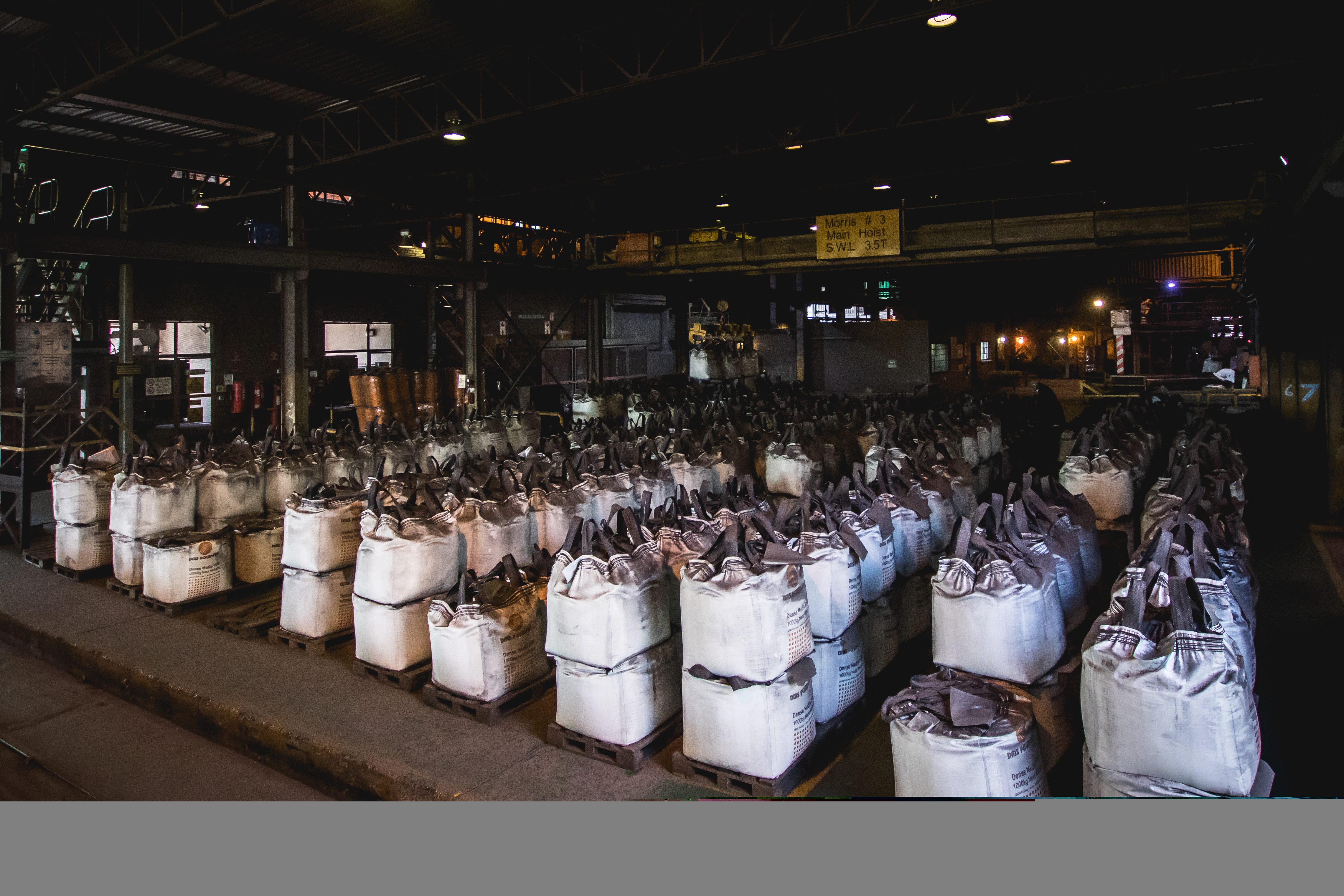
Suppliers like DMS Powders manufacture these exact grades locally, offering both bulk availability and technical advice to fine-tune media behaviour in real time. Their experience with diamond recovery circuits throughout Southern Africa gives process engineers and plant managers access to real-world performance data and tested dosing strategies.

ferrosilicon supplier

Steel and foundry applications demand clean chemistry

In metallurgical processes, the %Si is just the start. Modern electric arc furnaces and induction units require low-impurity ferrosilicon to avoid process disruption. Common pain points include:

  • Aluminium or calcium contamination interfering with slag chemistry
  • High carbon content affecting end-product mechanicals
  • Inconsistent grain sizes causing feeding issues in automated systems

For alloy steel production or ductile iron casting, consistency batch to batch is non-negotiable. Some producers even spec out allowable tramp elements by the ppm.

Choosing the right grade: common applications

DMS plants typically specify:

  • 75% atomised ferrosilicon for diamond and heavy mineral separation
  • Milled ferrosilicon 15D / 20D / 270 for fine tuning cut densities in coal and iron ore

Metallurgical operations often use:

  • 45–65% ferrosilicon as a cost-effective deoxidiser
  • High-purity 75% grades in stainless and special alloy production

Each industry has different tolerances for factors like solubility, friability, and magnetic losses. That’s why trusted suppliers don’t just sell product — they offer support in selecting the right grade for each circuit or melt.

ferrosilicon supplier

Localised supply and spec control

South African plants don’t just need ferrosilicon — they need guaranteed local supply, with traceable production and repeatable performance. Delays, off-spec batches, or inconsistent particle size cost real money in:

  • Lost recovery
  • Slag management
  • Excessive make-up dosing
  • Inefficient media circulation

This is why many plants turn to DMS Powders — the local benchmark in milled and atomised ferrosilicon. Their product range is engineered specifically for dense media separation and industrial metallurgy.

Whether you need a specific grain cut (e.g. 270 mesh for fine separation) or a reliable bulk order supply chain, they provide:

  • Tight QC across every batch
  • Proven grades tailored for SA mining circuits
  • Tech support for density control and media recovery

For those prioritising uptime and recovery, DMS Powders offers the assurance of locally produced ferrosilicon that meets spec — and stays within spec.

See more about DMS Powders, Ferrosilicon supplier in South Africa

Why production partnerships matter

It’s not just about tonnes delivered. Partnering with a supplier that understands the operational demands behind your spec sheets pays off long-term. With DMS Powders, many customers benefit from:

  • Ongoing support to refine DMS circuit efficiency
  • Advice on make-up rates and degradation trends
  • Forecast planning based on turnaround needs
  • Custom grades for specialised applications

That kind of supply relationship helps reduce variability and increase throughput — especially when recovery margins are tight.

Partner with DMS Powders

Ferrosilicon isn’t just a bulk alloy. It’s a process-critical material that needs to hit the mark every time. Whether you’re targeting 3.4 SG in a diamond DMS or reducing oxygen pickup in a high-carbon melt, the spec matters.

South African industry has access to a trusted, consistent supplier in DMS Powders — a company that understands ferrosilicon not just as a product, but as a process enabler. If your plant’s performance depends on it, it’s worth sourcing from those who treat it that way.