Why Smart Companies Trust Independent Whistleblower Hotline Providers
November 20, 2025
How High-Quality Ferrosilicon Reduces Total Cost per Tonne Processed
December 3, 2025

Industrial Steel Structures

Why So Many South African Businesses Choose Steel for Heavy-Duty Projects

When you speak to people working in mining, logistics, agriculture, engineering, or large-scale manufacturing, you quickly realise that their building needs are different from typical commercial spaces. They need height, wide spans, ventilation, overhead crane capacity, durability, and construction that keeps up with demanding operations. That’s exactly why industrial steel structures have become the preferred building solution across South Africa.

From Mpumalanga’s mining belt to Gauteng’s industrial zones and the coastal manufacturing hubs in KwaZulu-Natal, steel has proven to be one of the most dependable ways to put up strong, predictable, and long-lasting facilities. If you walk through any fast-growing industrial area, you’ll notice how often steel frames dominate the skyline. There’s a reason for it—they work.

Let’s walk through the real benefits, practical considerations, and why steel has become such a reliable choice for anyone building an industrial facility.

Industrial Steel Structures Are Built for Heavy Workloads

Industrial environments rarely sit still. Forklifts move constantly. Trucks reverse into loading docks. Cranes shift heavy components. Machinery vibrates and generates heat. Operators go through thousands of cycles a day.

For this kind of pressure, you need a structure that can carry the load without giving trouble five years down the line.

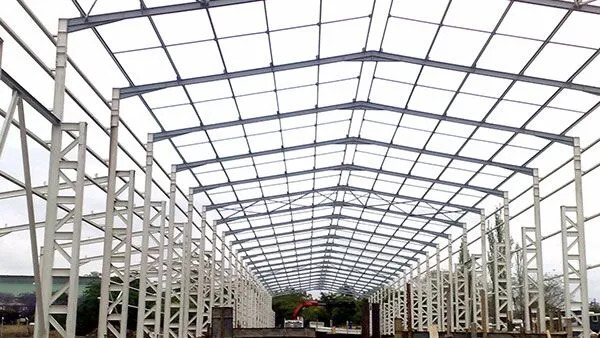
That’s where steel has the edge. Properly engineered industrial steel structures handle large spans, heavy roof loads, crane beams, mezzanine floors, and high-bay storage arrangements without losing stability. Unlike traditional brick builds, you’re not limited by bulky load-bearing walls that restrict movement.

With steel, you get a wide, uninterrupted internal layout—the perfect environment for production lines, workshops, machinery bays, packaging plants, and warehousing.
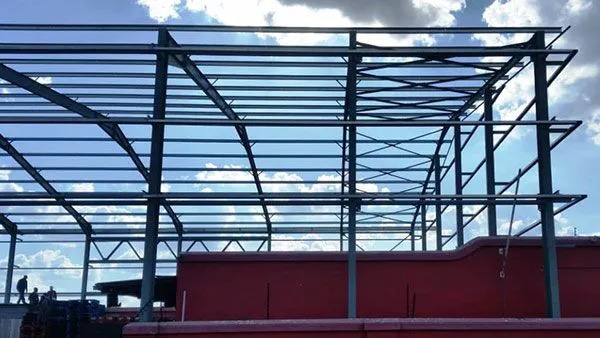
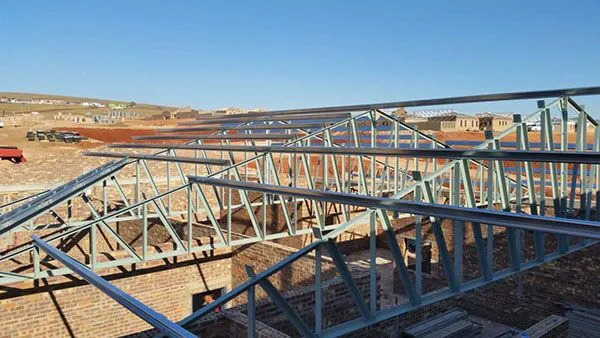
Industrial Steel Structures

Steel building company

Steel structures South Africa

Faster Construction Makes a Real Difference

Industrial projects often come with tight deadlines. A factory might need to expand before peak season. A distribution centre may be under pressure to start operating before a new contract kicks in. A mining client might need equipment storage ready before the next phase.

Speed matters.

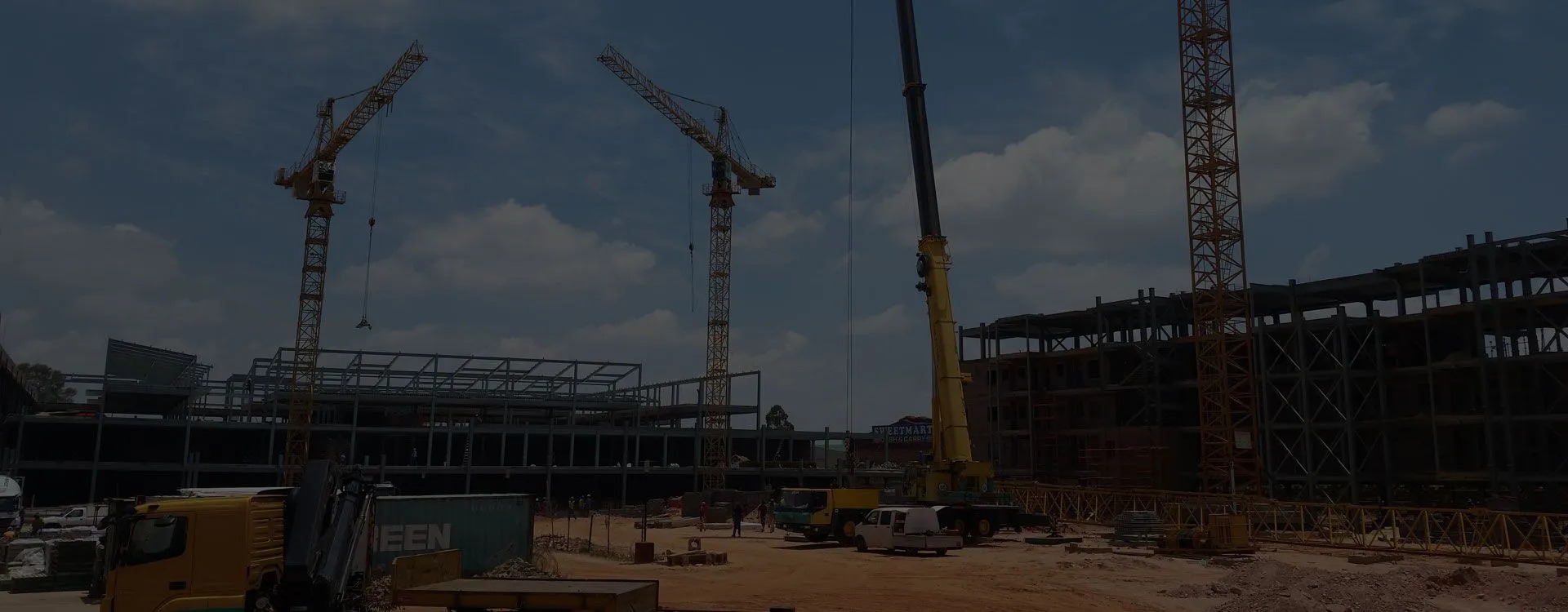
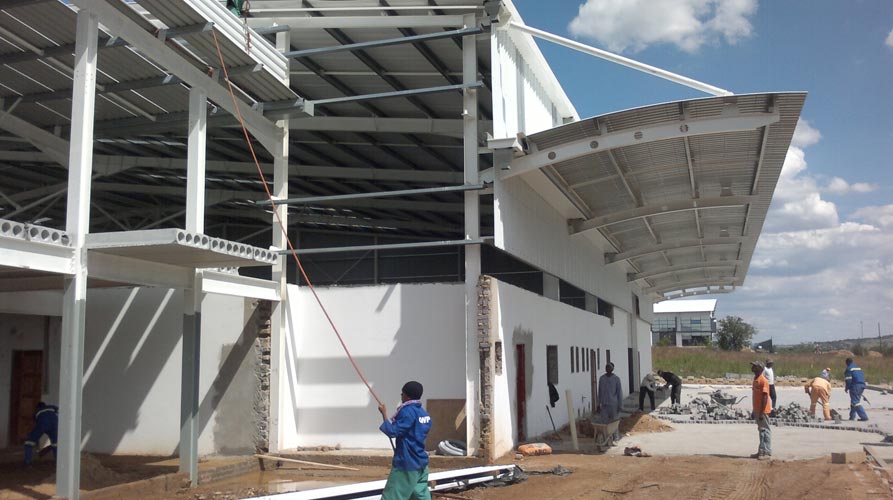
Steel structures shorten project timelines because most of the work happens off-site. Beams, trusses, and columns are fabricated in a factory with precise measurements, saving time once installation begins. By the time the steel arrives on-site, everything fits, and the frame starts going up quickly.

This is a major win for any business trying to reduce downtime or open their facility sooner.

Built for Harsh South African Conditions

Industrial zones across the country face different climates and operational stresses. Coastal regions deal with humidity and corrosion. Inland areas face heavy storms, intense heat, and dust. Some regions require special wind-load engineering or stronger foundations due to soil conditions.

Steel handles these variables well when designed correctly.

  • Galvanised and coated steel stands up to corrosion
  • Insulated cladding helps stabilise internal temperatures
  • Wide roof spans make ventilation and extraction systems more effective
  • Hot and dusty environments become easier to manage
  • Fire-resistant properties add an important safety factor

Industrial steel structures aren’t just tough—they’re adaptable to the specific needs of each region.

Flexibility Makes Steel the Smarter Long-Term Choice

Most industrial businesses grow or change over time. It’s rare for a workshop or factory to keep the same layout for ten years. Equipment gets upgraded. Production lines move. Storage needs increase. Offices expand.

Steel buildings make these changes easier.

You can:

  • Add new bays
  • Extend the building
  • Install new crane beams
  • Open up additional roller shutters
  • Create mezzanine levels
  • Add ventilation and HVAC systems without undermining the structure

If you had to do the same with brick construction, the cost and disruption would be far higher.

That’s the appeal—steel offers room for growth.

Energy and Cost Efficiency Over the Building’s Lifetime

While the initial construction cost is always important, the long-term running cost matters just as much.

Steel structures work well with modern insulation systems, helping regulate internal temperatures. For factories that generate heat or warehouses storing sensitive goods, this can dramatically reduce electricity usage for cooling.

The maintenance side is straightforward too. No cracking, limited repainting needs, and fewer structural complications mean you spend less keeping the building operational. For industrial sites running 24/7, fewer interruptions mean fewer financial headaches.

Common Uses for Industrial Steel Structures

Industrial steel structures work across nearly every industrial sector. Some common applications include:

Manufacturing Facilities

Large production lines, machinery housing, and high-roof spaces for equipment.

Warehousing and Distribution

Big spans, wide turning areas, and tall shelving systems benefit from steel’s strength.

Workshops and Engineering Plants

From mechanical workshops to fabrication plants, steel buildings offer the flexibility and load capacity needed for heavy-duty operations.

Mining Storage & Processing Facilities

Mining sites require safe storage for equipment, consumables, and processing areas. Steel is perfect for these environments.

Agricultural Packhouses & Implement Sheds

Farmers need big spaces with minimal internal obstructions—steel provides exactly that.

Industrial Steel Structures in South Africa: Expertise Matters

Designing a typical commercial shell is one thing. Designing an industrial facility capable of supporting heavy machinery, cranes, high traffic, and long-term daily usage is a different challenge altogether.

The engineering has to be done properly.
The fabrication must be precise.
The installation team must follow strict safety and load requirements.

That’s why working with experienced specialists matters.

If you want to see what a professionally managed industrial project looks like, the dedicated page for industrial steel structures by Pretorius Structures is a solid example of how these buildings should be done. The company handles large-span structures, factories, workshop facilities, and custom-engineered industrial buildings across South Africa.

You can view it here:
Industrial steel structures designed and built by Pretorius Structures

Pretorius Structures: Bringing Industrial Projects to Life

Pretorius Structures is one of the better-known names in the steel-building industry, especially for industrial facilities. They work nationwide and have completed projects for manufacturing companies, logistics operations, agricultural producers, and engineering firms.

Their approach blends engineering, fabrication, and installation under one roof—one team managing the entire process. This gives clients a more controlled timeline and a clearer understanding of each project stage.

Their main website provides additional insight into their services, project capabilities, and steel construction options:
Industrial steel building contractors in South Africa – Pretorius Structures

For anyone planning a new factory, warehouse, storage facility, or workshop, the company’s experience in industrial steel structures offers a level of reliability that’s hard to overlook.

Get in touch with Pretorius StructuresBottom of Form