


Why Modern Organisations Are Turning to Digital Policy Management
In today’s compliance-driven business environment, managing company policies manually just doesn’t cut it anymore. Between constant regulatory changes, distributed teams, and stricter data protection laws, organisations need smarter ways to stay consistent and accountable. That’s where digital transformation steps in — and why so many companies are adopting advanced policy management software.
The Problem with Traditional Policy Management
Most organisations still rely on shared folders, spreadsheets, or endless email chains to manage policies. While this might work for small teams, it quickly becomes chaotic as companies scale. Version control issues, missed updates, and compliance gaps start to creep in — creating unnecessary risk.
When policies aren’t easy to find or track, employees lose confidence in what’s current and what’s not. And in industries where compliance mistakes can be costly, that’s a serious liability.
The Rise of Centralised Policy Platforms
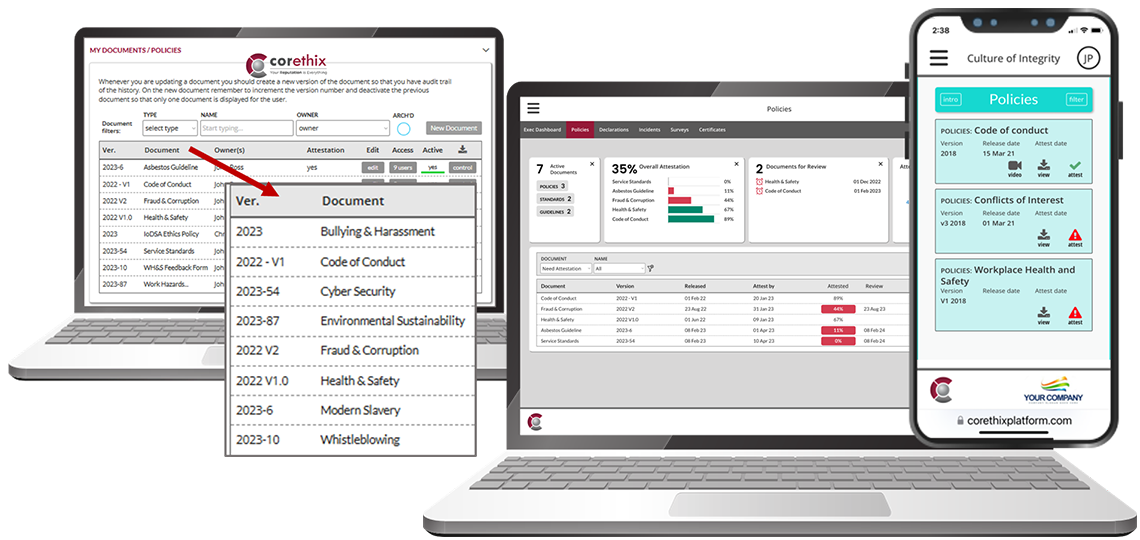
Cloud-based policy management software solves these challenges by centralising every policy into one controlled environment. From creation and approval workflows to automated reminders and digital sign-offs, modern platforms give organisations a single source of truth for governance.
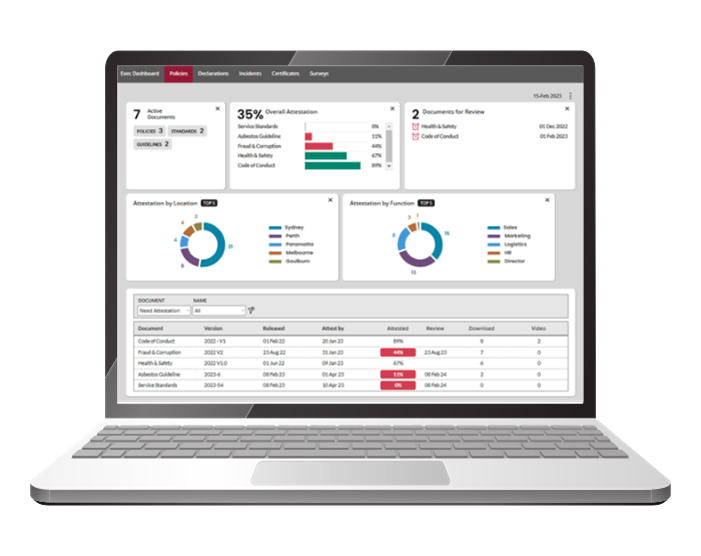
Instead of chasing files or sending manual reminders, managers can instantly see which policies are up to date, who has acknowledged them, and what actions are still pending. That kind of transparency builds both accountability and trust across the business.
Why It’s Becoming a Compliance Essential
Regulators around the world are tightening standards on governance and operational risk. Whether it’s in finance, healthcare, or public services, businesses are expected to demonstrate not just policies — but proof of active management.
Smart policy management software automates audit trails, keeps documentation current, and provides digital evidence that compliance processes are actually followed. This doesn’t just protect organisations from fines — it strengthens their reputation as ethical and well-governed businesses.